Why Fresno County pads are different from a generic “California” story
Much of the San Joaquin Valley floor around Fresno is built from fine-grained alluvial soils. In everyday language, owners and park managers talk about clay that expands when wet and shrinks when dry. Manufactured homes on pier supports do not float above that cycle—the supports transfer load into shallow soil that changes volume with moisture. That is why settlement conversations in this market are as much about seasons and irrigation as about the age of the home.
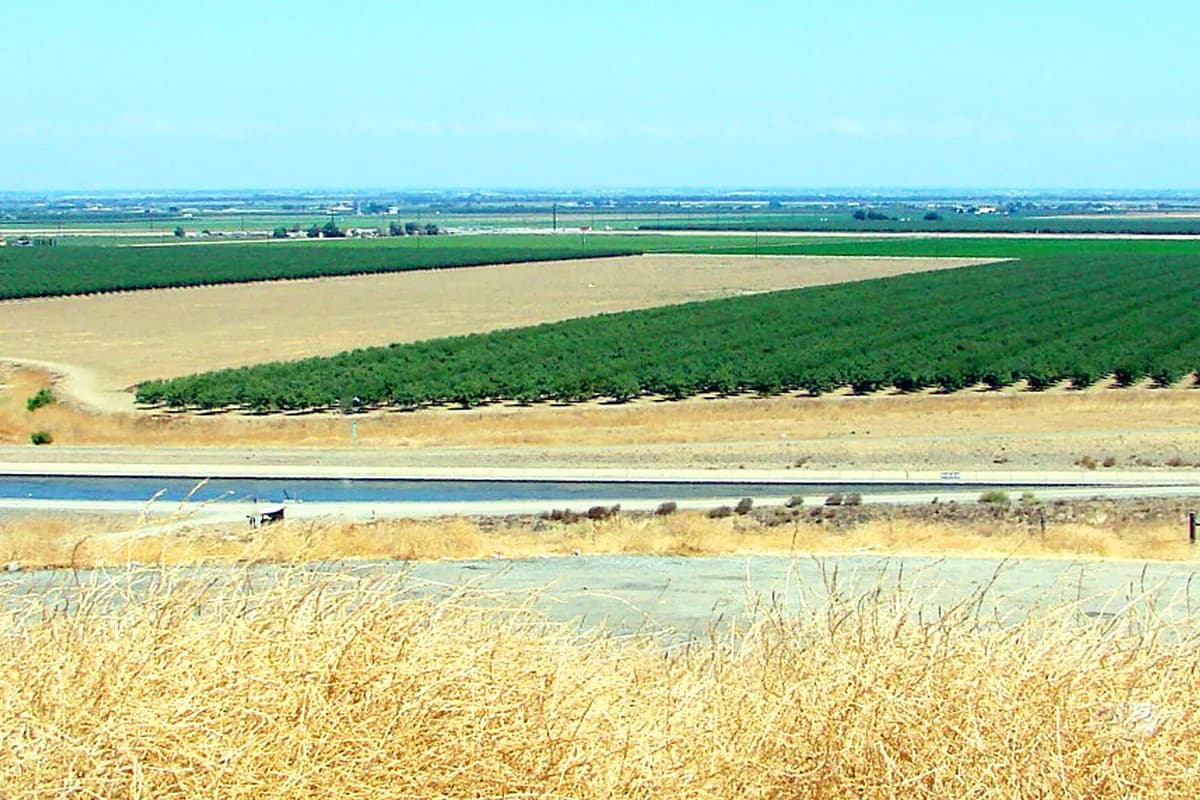
The Fresno–Clovis corridor mixes denser parks with private-lot homes on the metro fringe. East-side orchard towns such as Sanger and Reedley, west-side communities around Kerman, and Highway 99 corridor cities like Selma and Fowler often place pads near irrigated agriculture even when the space itself looks dry in August. Madera fringe lots share many of the same Valley moisture patterns. The mechanism is regional; the access rules and skirting details are local.
Wet winters, long dry stretches, and what pier supports feel
A typical Fresno County calendar stacks cool, wetter months against a long dry season. Winter rain can raise moisture under skirts and around exterior piers. Summer heat and months without rain pull moisture back out. Each swing can leave piers slightly higher or lower relative to one another. Over years, that differential shows up indoors as hallway slope, door openings that are no longer square, or soft spots where traffic concentrates.
This guide is mechanism-first. If you already feel sticky doors or sloping floors day to day, pair this page with our symptom map: sticky doors and sloping floors in Fresno mobile homes. Timing cues—comfort now versus escrow later—live in when to re-level in the Fresno area.
Irrigation-adjacent pads: orchards, canals, and park edges
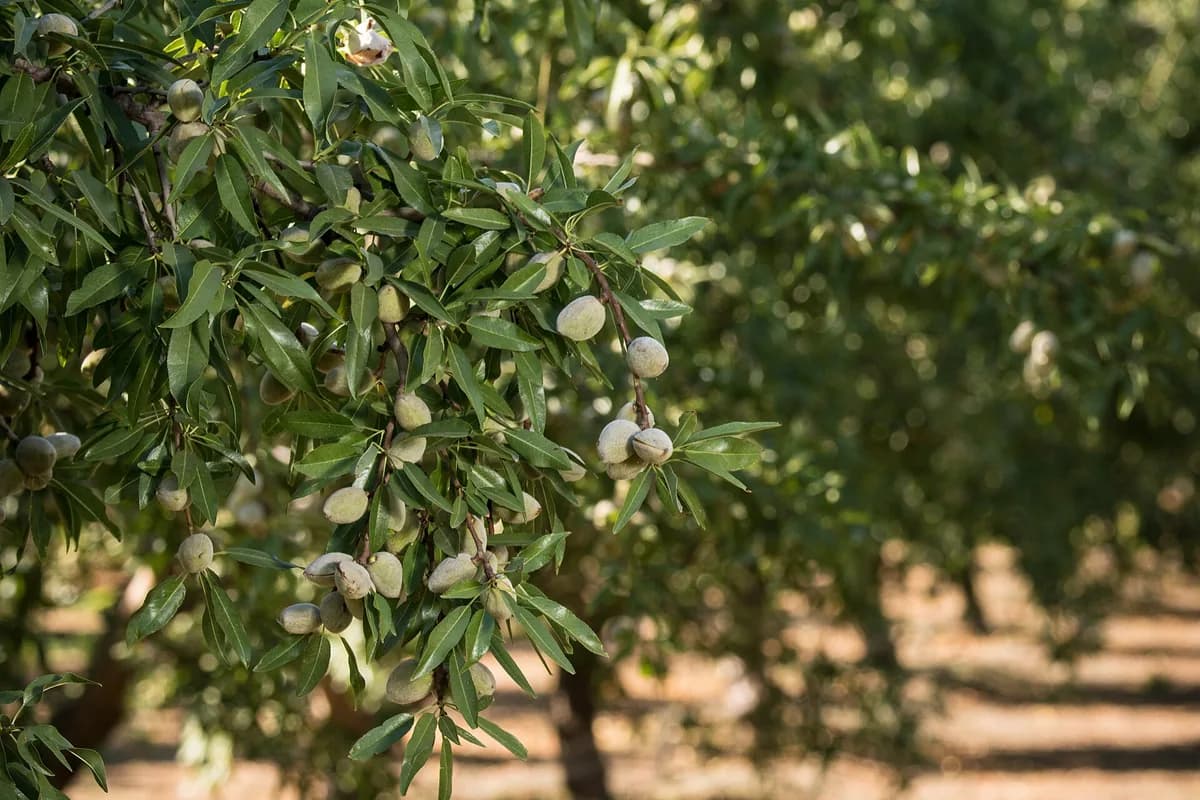
Orchard irrigation does not have to flood a space to matter. Lateral wetting from nearby rows, leaky distribution lines, standing water against skirting after a set, or a pad that stays damp on one side of the home can bias which piers gain or lose support. East-side towns (Sanger, Reedley) and west-side orchards near Kerman see this pattern often enough that owners should note whether symptoms track irrigation calendars—not only winter storms.
Along Highway 99, Selma and Fowler share Valley clay and canal-adjacent landscapes even when homes sit in established parks rather than on farm parcels. Clovis and metro Fresno parks may be farther from active orchards but still sit on expansive soils that respond to landscape watering, roof drainage, and seasonal rain. Photograph wet spots, note which season symptoms worsened, and share that context when you request an evaluation.
Park homes vs private lots across the county
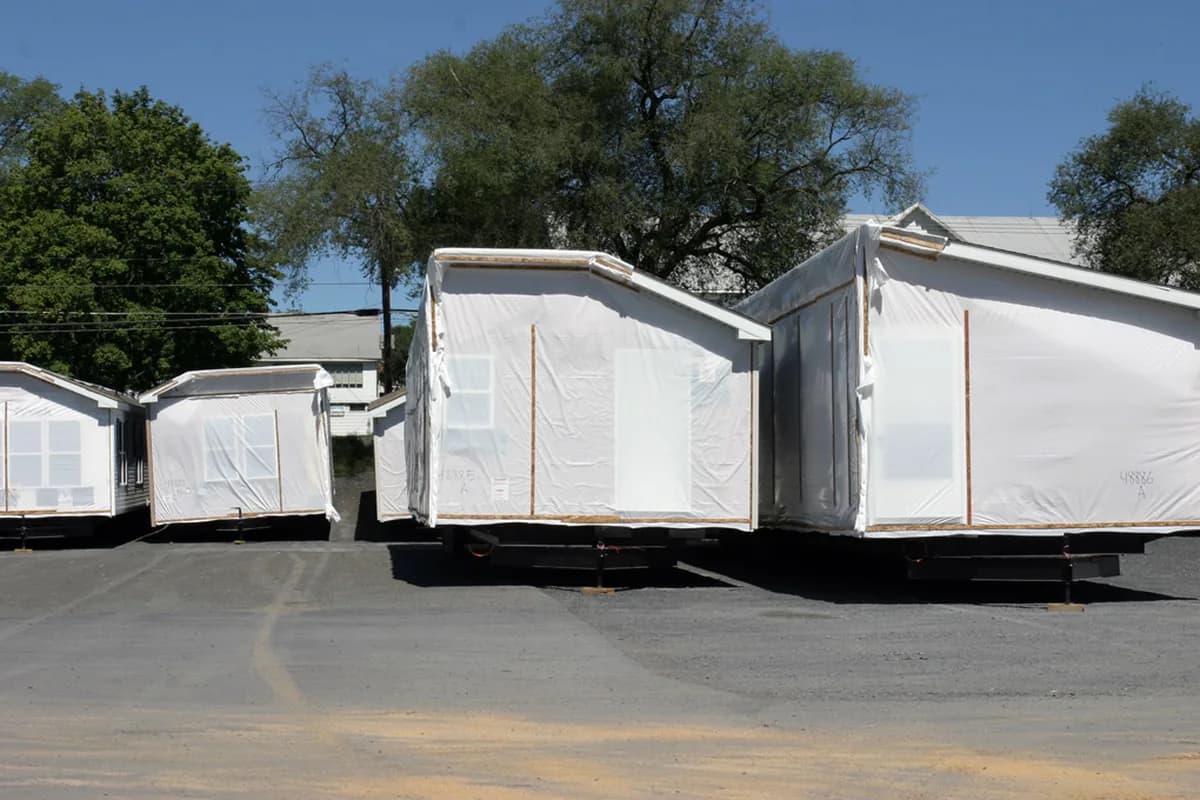
Park-managed spaces in Fresno and Clovis often limit when skirts can open, where crews stage equipment, and how neighbors are notified. Private lots in Reedley, Selma, Kerman, Fowler, or the Madera fringe may offer easier daylight access but still need vapor-barrier care and utility clearances. Settlement physics does not care about ownership type; the schedule and coordination do. Owners in parks should read working with park managers on MH leveling before booking a date.
What leveling addresses—and what it does not
Professional mobile home leveling adjusts pier supports so the home returns toward a more true floor plane. Doors and windows often free up once openings are closer to square. Leveling does not rewrite soil chemistry, stop neighboring irrigation, replace rotten subfloors, or double as a Title 25 inspection or seismic bracing system. Escrow sometimes needs more than one scope; bracing overview: seismic bracing in the Central Valley.
Quote drivers—access, pier count, travel across the county, escrow timing—are covered in Fresno County leveling cost factors. This page stays focused on why clay and irrigation matter, not on inventing price ranges.
Practical observations owners can make (without digging soil pits)
- Note whether floor tilt or door drag worsened after a wet winter, a long dry stretch, or an irrigation set next door.
- Walk the exterior after rain—flag standing water against skirting, downspouts dumping at piers, or one end of the home staying damp longer.
- Compare rooms: one soft entry plus three sticky doors is a different pattern than a single closet that sticks only in humidity.
- On private lots near orchards (Sanger, Reedley, Kerman, Fowler), ask how close active irrigation runs to the pad edge.
- Check your city page for local service context— Fresno, Clovis, and other service areas.
Educational disclaimer
Soil behavior varies lot to lot. This article describes common Fresno County and Central Valley patterns so owners can ask better questions—it is not a geotechnical report, a permit substitute, or a promise that any single home will settle on a schedule. Sudden soft spots, utility concerns, or extreme tilt deserve prompt attention via our urgent leveling page rather than a wait-and-see approach.
Ready to talk through what you are seeing? Call (559) 555-0190 or contact Fresno Mobile Home Leveling with city, ZIP, park name if applicable, and whether symptoms followed rain or irrigation. Start from the leveling service page when you request a quote.