Why fall is the window that matters in Fresno County
Most of the Valley’s rain lands between November and March, often after a long, hot, dry summer. Pier pads that sat on hard, shrunken clay for months are suddenly sitting on soil that swells and softens. That swing—not one big storm—is what usually shows up later as a door that sticks in January or a hallway that feels off by spring. The mechanics are covered in our clay soil & irrigation settlement guide; this page is the practical to-do list for the weeks before the rain starts.
Fall also happens to be the easiest time to get work done. Park lanes and orchard-edge driveways are firm, crews are not tracking mud through skirting openings, and you are not competing with post-storm urgent calls. Once the ground is saturated, many fixes are still possible, but staging gets harder and supports are set on a less stable base.
Step 1: Walk the roofline and downspouts
- Clear gutters of leaves and orchard debris—common on homes near almond, citrus, and stone-fruit rows around Sanger, Reedley, Fowler, and Kerman.
- Check where each downspout empties. If it dumps right at the skirting, add an extension or splash block so water lands several feet away from the home.
- Look for drip lines along the skirting from homes or carports without gutters. A long, straight trench of bare soil along one side is a sign water is concentrating there.
- Note carport and awning runoff. Attached covers often shed a lot of water onto one corner of the home—exactly where you do not want it.
Step 2: Check grading and where water wants to go
Stand at each corner and ask a simple question: if it rained hard right now, which way would the water run? Ideally the ground slopes away from the home. Common problems around Fresno County homes include:
- Landscaping beds or planter borders built up against the skirting, which trap water at the base.
- Patios, slabs, or pavers that tilt toward the home instead of away from it.
- Low spaces in older Fresno and Selma parks where the pad sits slightly below the lane, so runoff from neighbors collects under your home.
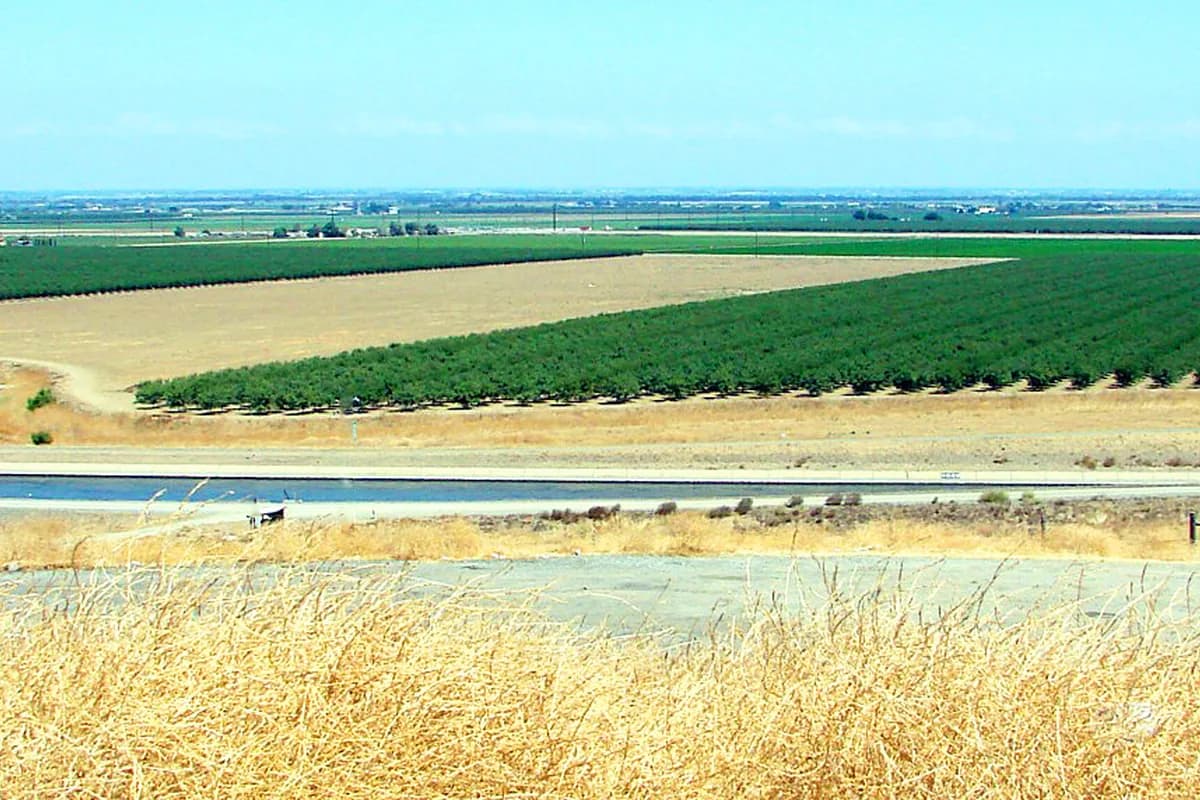
- Private lots next to irrigated orchards or canals near Kerman, Reedley, and Sanger, where the ground near the home stays wetter than the rest of the yard.
In a park, talk to the manager before regrading or trenching—drainage often crosses space lines, and many parks have rules about soil work. On a private lot, small changes such as pulling mulch back from the skirting or extending downspouts are often enough.
Step 3: Look at (and behind) the skirting
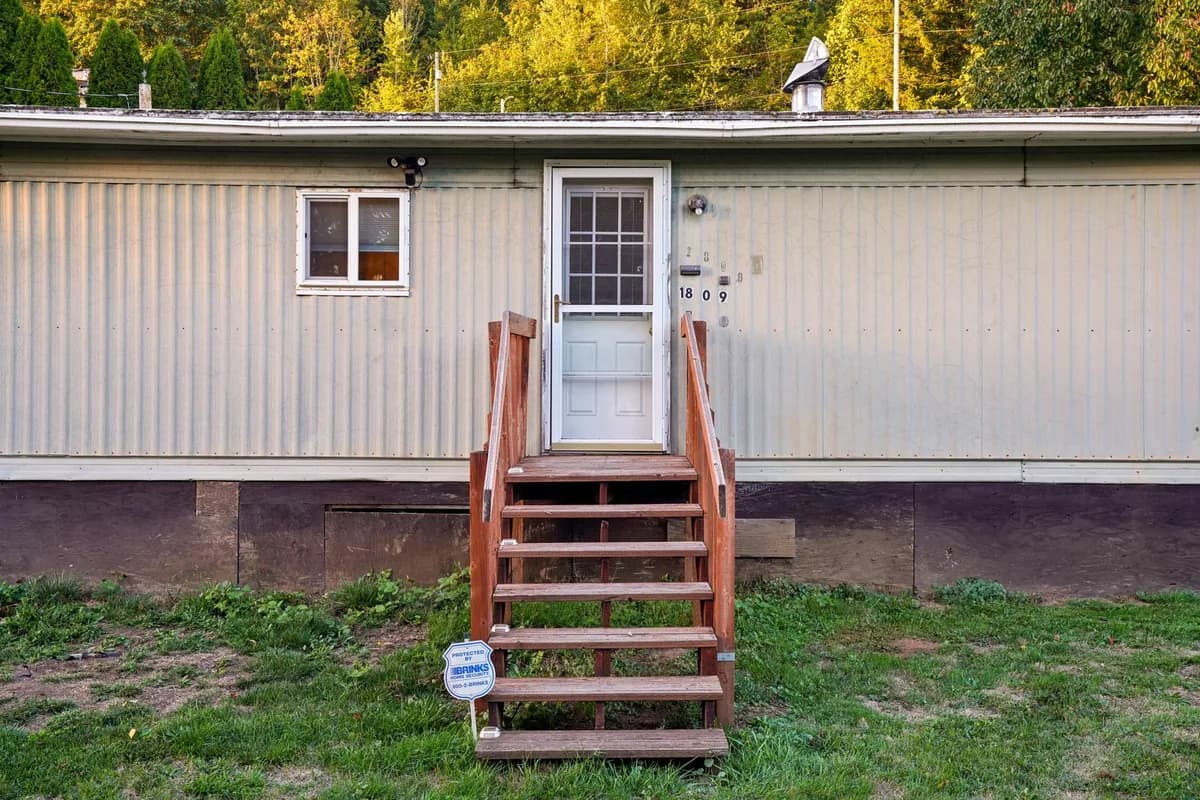
Skirting is not structural, but it tells you a lot. With the park’s okay, open an access panel on a dry day and take a flashlight look:
- Vents: make sure skirting vents are open and not blocked by soil, plants, or stored items. Moisture that cannot escape tends to linger under the home during Fresno’s foggy winter stretches.
- Signs of past water: silt lines, dried mud, or rust staining low on supports suggest water has pooled there before.
- Supports: look for piers that are tilted, pads that have sunk unevenly, shims that have slipped or split, or a pier that is no longer touching the frame. Do not try to adjust supports yourself.
- Skirting gaps or bowing: skirting that is pushed out, buckled, or pulled away at the bottom can mean the home has shifted or that soil is heaving.
- Ground cover: if the home has a vapor barrier, note whether it is torn or bunched up.
If you are not comfortable going under or behind the skirting, skip it—a leveling crew will look at this as part of a visit.
Step 4: Run a quick inside check
Before the weather changes, write down how the home behaves now so you have a baseline. Open and close every exterior and interior door, check whether windows slide smoothly, roll a marble or set a small level in the hallway and kitchen, and look for new cracks at ceiling seams or wall panel joints. Snap a few phone photos. If something changes after the first big storms, you will know it is new—and you can describe it clearly when you call. Our sticky doors & sloping floors guide explains which symptoms usually point to pier work.
Step 5: Decide whether to book leveling now
A fall check usually lands in one of three places:
- Everything looks and feels fine: handle the drainage items, then re-check in spring once the rains end.
- Minor symptoms (a door that drags, a slight slope): fall is a good time to schedule a leveling visit, while supports can be set on dry, firm ground. Timing cues are in when to re-level in the Fresno area.
- Something looks wrong under the home (a tilted or unsupported pier, a sudden drop at one corner, doors that will not latch): treat it as urgent leveling rather than waiting for winter.
If you are selling in the next few months, a pre-winter visit also keeps leveling from colliding with escrow—see leveling before listing. And if your park or lender has mentioned seismic bracing, ask about it at the same visit; our Central Valley bracing guide covers the basics.
A note for park managers
Fall is a good time to walk the whole park for low spaces, blocked lane drains, and homes where downspouts empty onto a neighbor’s pad. Batching several spaces into one leveling or inspection visit before the rains is usually easier on residents and on scheduling. Our park-manager coordination guide covers access, skirting, and notice tips.
After a big storm
Once a heavy storm passes, take a quick look on the first dry day: is water still standing near the skirting? Did a downspout extension wash out? Do doors or floors feel different from your fall baseline? Small changes are worth noting and watching; a sudden change is worth a call. Homes across Fresno, Clovis, Sanger, Reedley, and the rest of our service area see the same pattern each winter.
Educational disclaimer
This checklist is general guidance for Fresno County manufactured-home owners and park managers. It is not an engineering evaluation, a code or Title 25 determination, or a substitute for an on-site visit. Do not adjust, remove, or add supports yourself.
Want a pre-winter check? Call (559) 555-0190 or contact Fresno Mobile Home Leveling with your city or ZIP, park name and space or private-lot address, and what you noticed.